
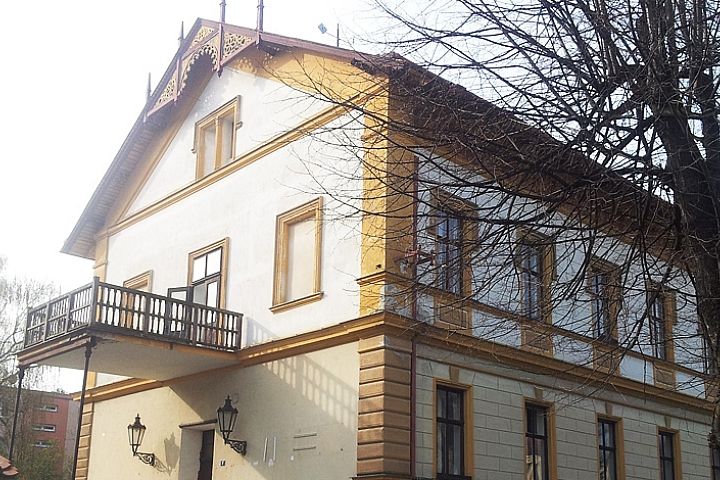
Kozánek House
A villa from 1883 where, at the end of the 19th century, the lawyer Emil Kozánek hosted Antonín Dvořák, Ema Destinová and other figures of Czech culture.
Thanks to its rich history, unique sights and distinctive atmosphere, Kroměříž is called the Athens of Haná. Discover the buildings of the Kroměříž Urban Heritage Reserve.
A villa from 1883 where, at the end of the 19th century, the lawyer Emil Kozánek hosted Antonín Dvořák, Ema Destinová and other figures of Czech culture.
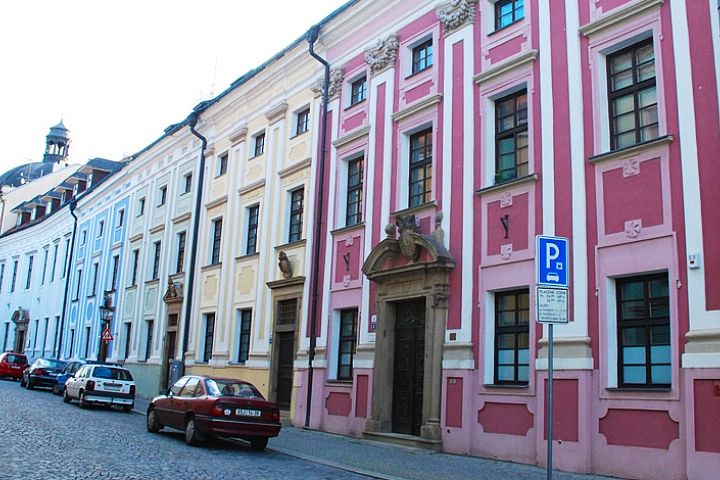
The primary art school occupies a row of Baroque canons' houses in Jánská Street, close to the Archbishop's Chateau and the Chateau Garden.
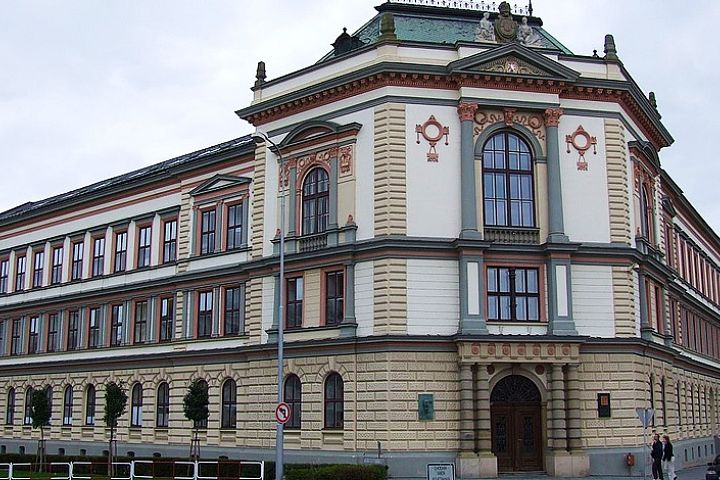
Historic grammar school building on Masarykovo náměstí, built in 1889–1890 on the site of a former military hospital. The Czech grammar school in Kroměříž was founded in 1882.
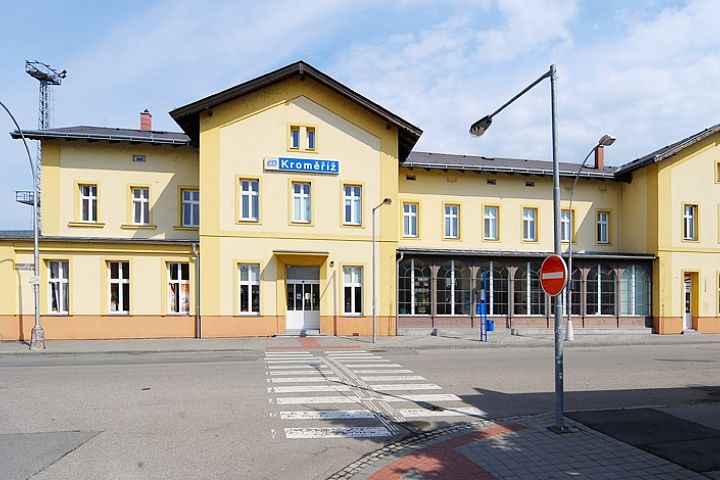
Kroměříž railway station opened in 1880 together with the local railway to Hulín, built by a Kroměříž joint-stock company.
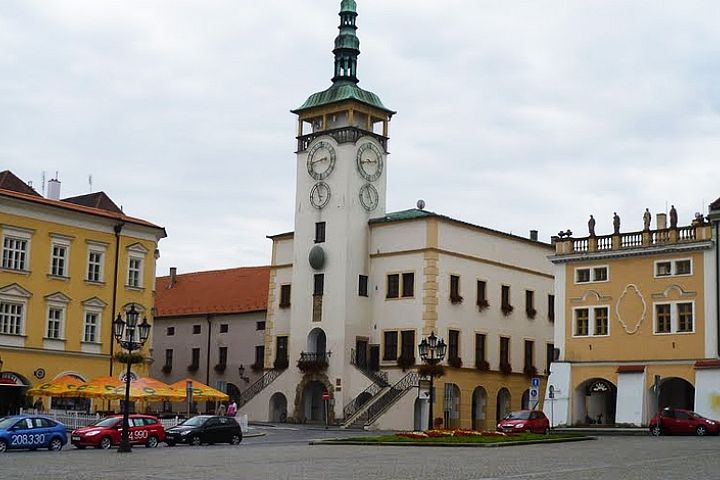
The Renaissance town hall of 1553–1561, with a 40-metre tower and double clock dials, is the seat of the town's leadership and municipal office on the Great Square.
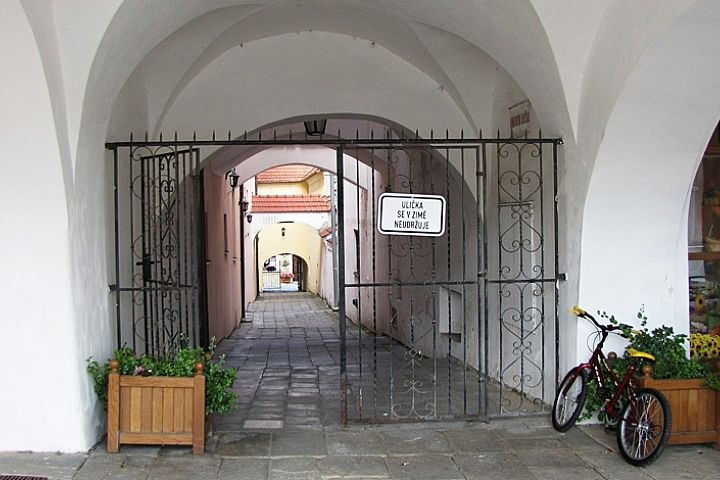
A narrow lane about 47 metres long between the Great Square (Velké náměstí) and Ztracená Street. It probably dates back to the 13th century and has borne John Lennon's name since 1993.
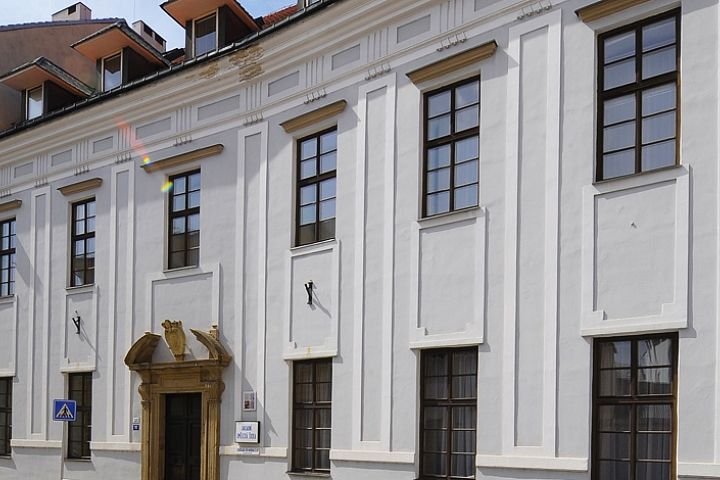
A late 17th-century Baroque building in Jánská street where, for two centuries, the Piarists brought up choirboys supported by a foundation of Bishop Liechtenstein.
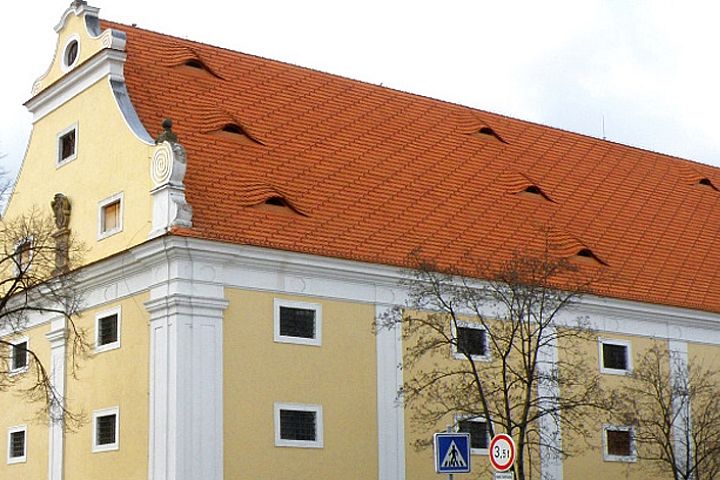
A massive Baroque granary on the corner of Generála Svobody and Smetanova streets, completed in 1724 under Cardinal Wolfgang Hannibal von Schrattenbach.
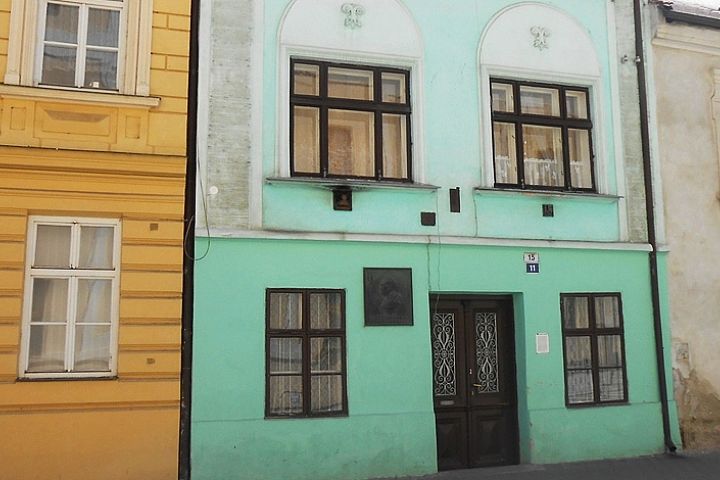
The house on Jánská Street where the painter and printmaker Max Švabinský was born on 17 September 1873. For generations it housed soap-making workshops.
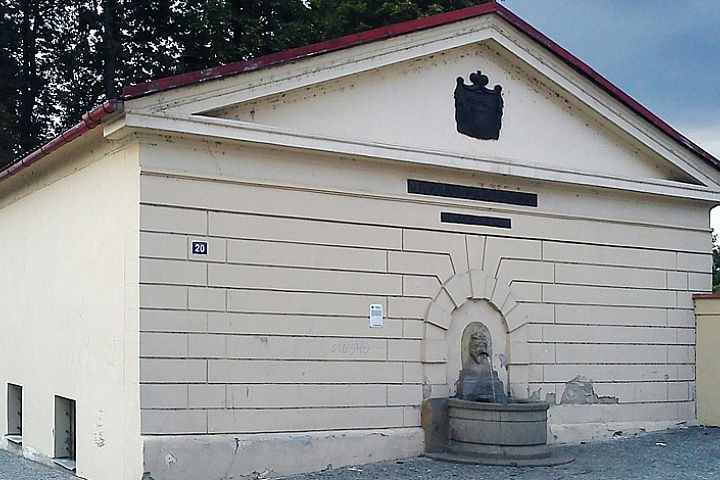
A Classicist building with a fountain from 1838, part of the Maximilian waterworks that brought water to the town from springs on the slope of Barbořina Hill. It is also known as Max's Waterworks.
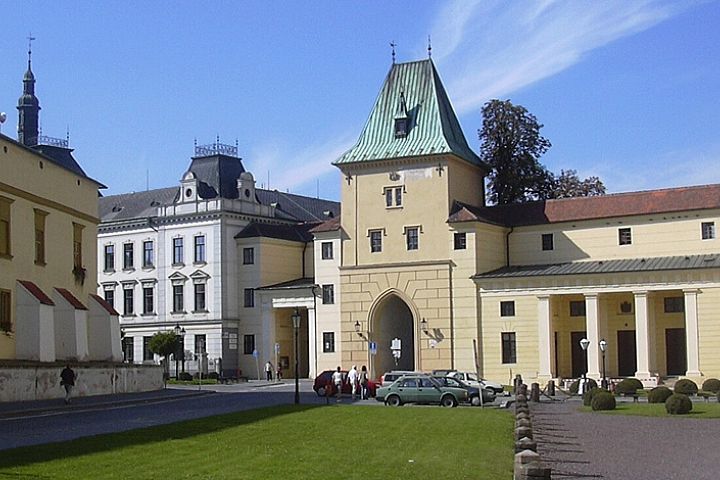
The only surviving one of Kroměříž's three town gates. It stands on Sněmovní náměstí next to the chateau and, together with the guardhouse, was the seat of the archbishop's guard.
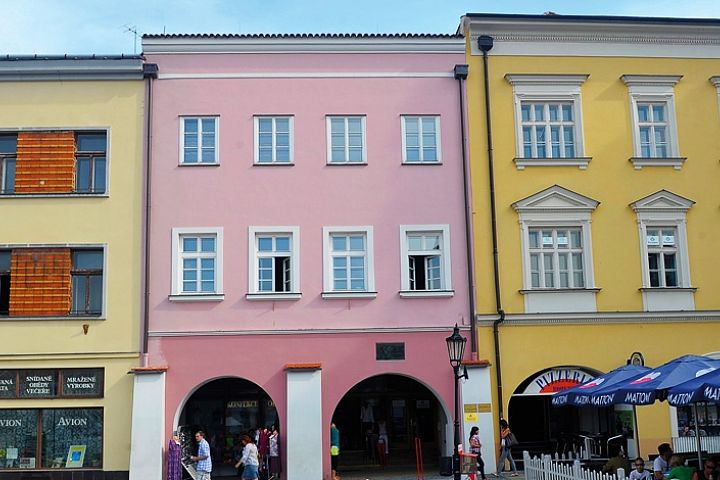
A tavern house on Velké náměstí where the composer and trumpeter of the bishop's court Pavel Josef Vejvanovský lived and died in 1693.
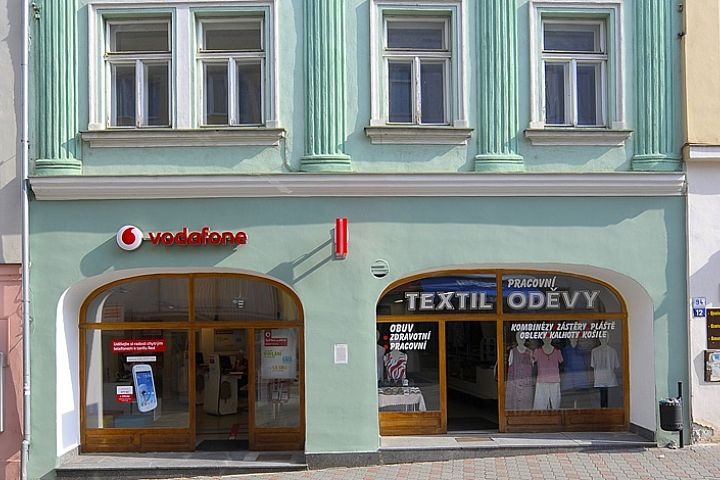
The house of the Mühlmann family of maltsters in Vodní street. From the mid-19th century its hall hosted theatre performances and later the first cinema in Kroměříž.
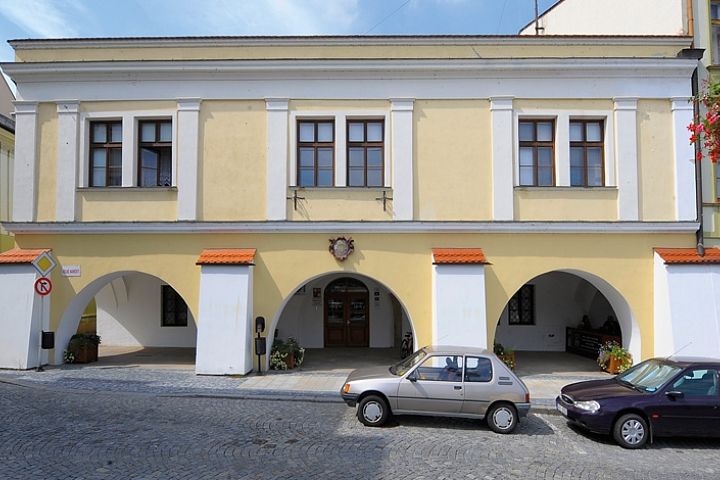
A house with a Renaissance core on Velké náměstí, owned by the town since 1764. Above the arcade is a cartouche with the town coat of arms and the year 1600.
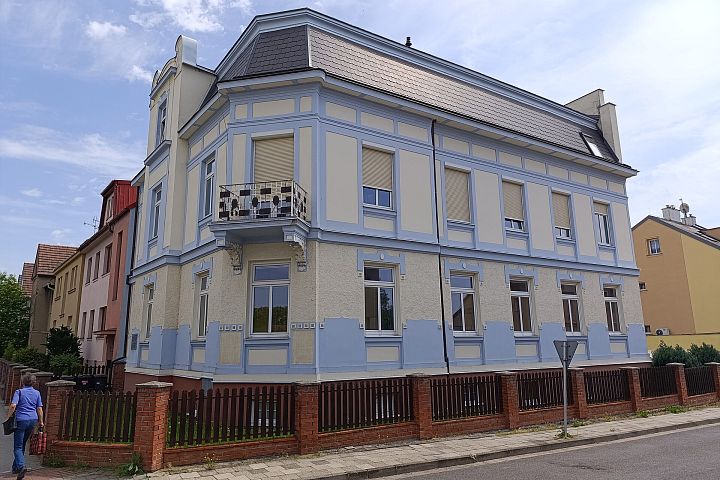
An Art Nouveau house from 1911 built by the grammar-school professor, physicist and astronomer František Nábělek, who demonstrated Foucault's experiment in the Flower Garden Rotunda.
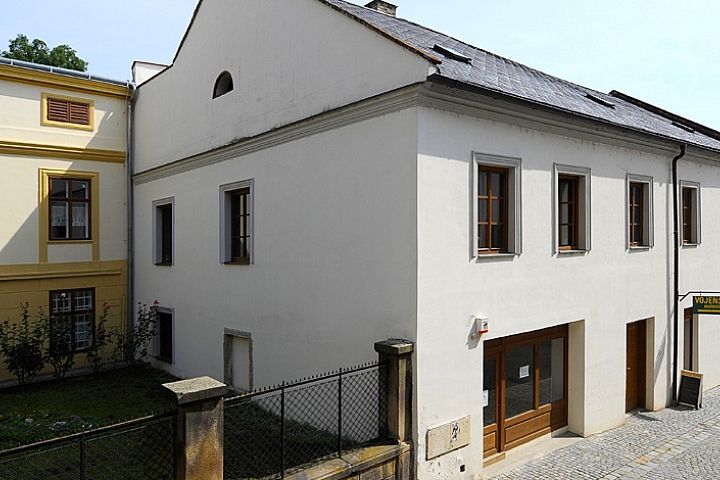
A house in Ztracená Street that served as a public bathhouse since time immemorial. In the 17th century barber-surgeons and the town surgeon Jan Jiří Gruber worked here.
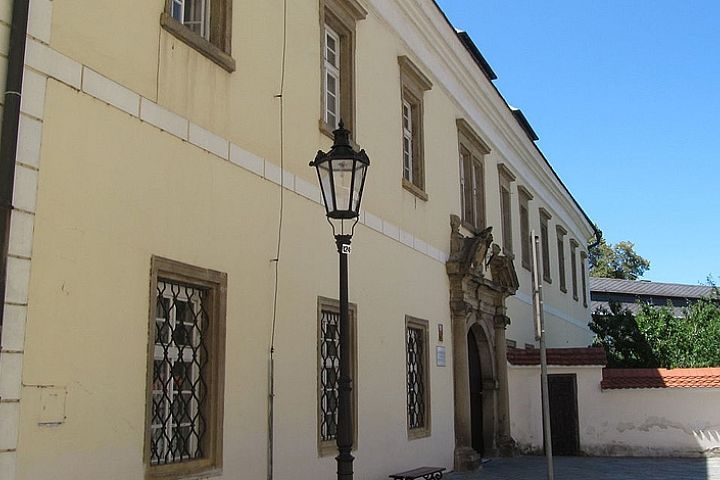
A music conservatory in the Baroque building of the former Piarist college, directly adjoining the Church of St John the Baptist in the centre of Kroměříž.
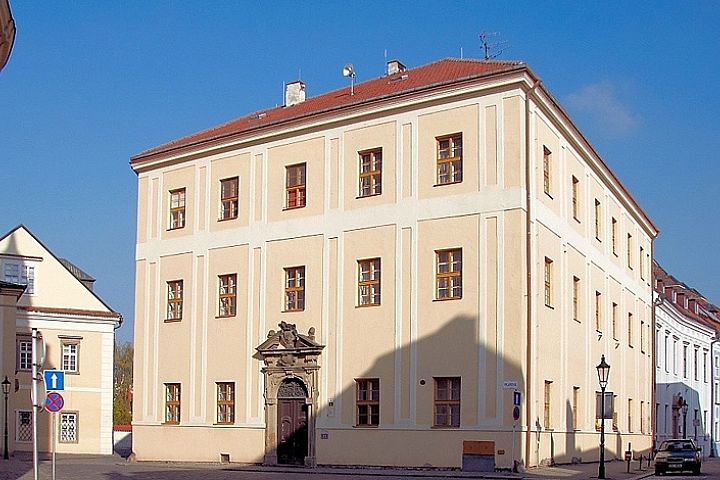
The Baroque building of the former Piarist grammar school on the corner of Pilařova and Jánská streets, built in 1694–1698 to a design by Giovanni Pietro Tencalla.
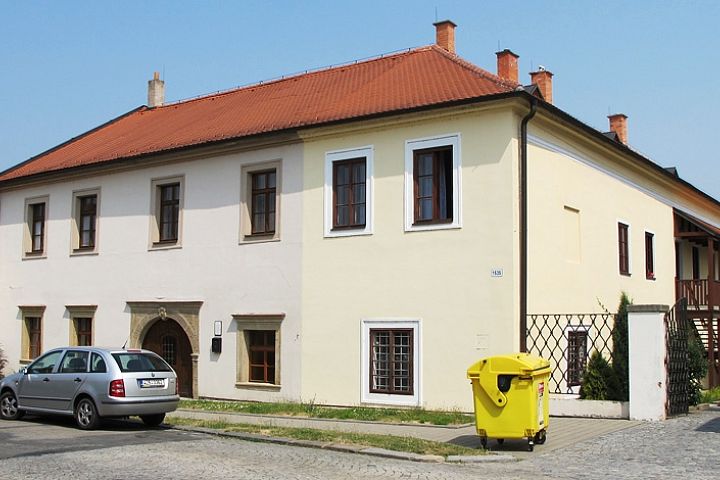
A house with a late 16th-century Renaissance portal in Na Sladovnách street, next to the former bishop's mint. It was home to officials of the prince-bishop.
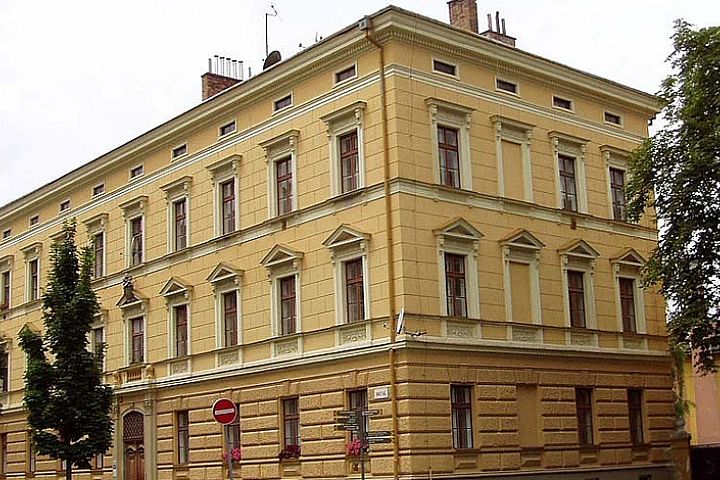
A house on Malý Val built by Cardinal Fürstenberg. It is named after Crown Prince Rudolf, who stayed here during the meeting of the emperor and the tsar in 1885.
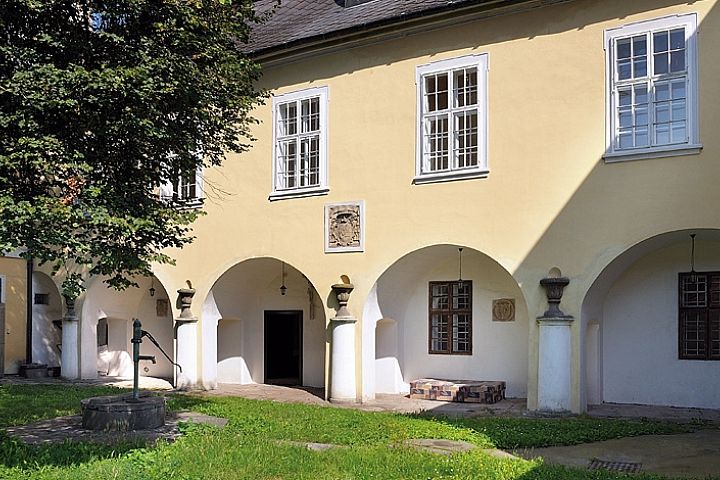
A Baroque building with a mansard roof on Stojanovo náměstí, the seat of the Kroměříž provosts. With its old wall and orchard it forms one of the most charming corners of the town.
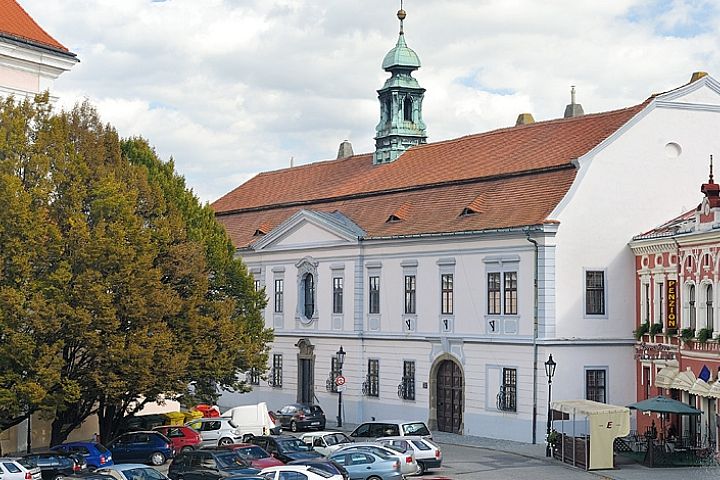
Former college for retired priests, rebuilt in the Baroque style in 1738 for Bishop Schrattenbach to a design by Ignác Cyrani von Bolleshaus.
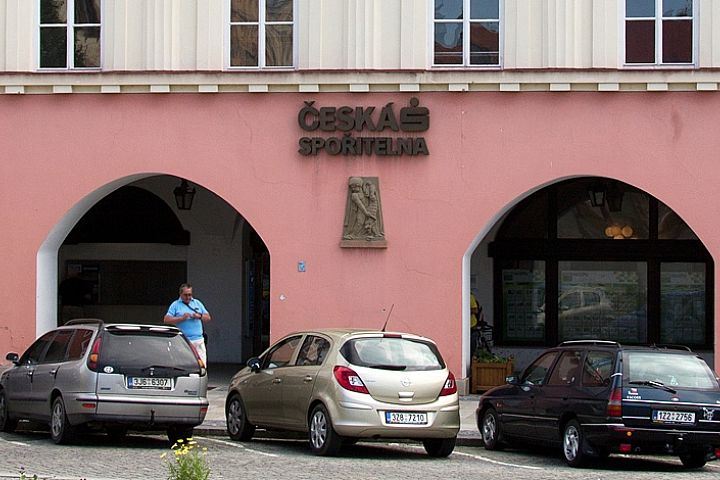
A Renaissance house with preserved vaults on Velké náměstí. It bears the name of Count Jan of Rottal, and the town savings bank was based here for many years.
A craftsmen's house in Vodní Street where the orientalist Jan Rypka, an expert in Persian and Turkish literature, was born in 1886.
We would like to measure traffic to learn what you look for on the site. We use Google Analytics cookies for that only with your consent. More about cookies